Guide
How to Make a Martini — The Classic Recipe and Every Variation Worth Knowing
A Martini is made by stirring gin and dry vermouth with ice, then straining the mixture into a chilled cocktail glass and garnishing with a lemon twist or an olive. The classic ratio is roughly two parts gin to one part dry vermouth, though modern taste leans much drier. It is one of the simplest cocktails that exist — two ingredients, no muddling, no citrus, no sugar — and that simplicity is exactly what makes it unforgiving. Every decision you make, from how long you stir to how cold your glass is, shows up in the finished drink. This guide walks through the standard recipe, the technique behind it, and the variations that matter.
The Classic Martini Recipe
The traditional Martini calls for London dry gin and French-style dry vermouth. Pour 60 ml of gin and 15–30 ml of dry vermouth into a mixing glass filled with ice. Stir steadily for about 30 seconds — long enough to chill and dilute the drink properly — then strain into a chilled coupe or V-shaped Martini glass. Express a strip of lemon peel over the surface by holding it over the glass and giving it a firm twist, then drop it in or discard it. Alternatively, garnish with one or three green olives on a pick.
That is the entire recipe. No shaker, no juice, no syrup. The drink stands or falls on the quality of its two ingredients and how well you handle temperature and dilution.
- 60 ml London dry gin
- 15–30 ml dry vermouth (adjust to taste)
- Ice for stirring (the more, the better)
- Garnish: lemon twist or green olives
Understanding the Ratio — Dry, Wet, Perfect, and Dirty
The terms 'dry' and 'wet' refer to how much vermouth is in the glass. A wet Martini uses a higher proportion of vermouth — closer to the original 1:1 or 2:1 recipes from the early twentieth century. A dry Martini pulls the vermouth back, sometimes to a bare rinse of the glass. An extra-dry Martini, taken to its logical extreme, is essentially chilled gin with a memory of vermouth.
A 'perfect' Martini splits the vermouth component equally between dry and sweet vermouth, adding a rounder, slightly bitter-sweet character. A 'dirty' Martini adds a splash of olive brine, which introduces salt and a savoury quality that softens the botanicals. These are not better or worse — they are different drinks that happen to share a name. It is worth trying a few ratios to find where you land.
If you are new to Martinis, start with 60 ml gin and 20 ml dry vermouth. It is balanced enough to let both ingredients come through without either one dominating. Move the vermouth up or down from there.
- Wet Martini: equal parts or close to it (1:1 to 2:1 gin to vermouth)
- Standard dry: roughly 4:1 gin to vermouth
- Extra dry: a rinse of vermouth, or even just a misted glass
- Perfect: half dry vermouth, half sweet vermouth
- Dirty: add 10–15 ml olive brine
Stirring vs Shaking — Why It Matters
A Martini is stirred, not shaken. Stirring chills and dilutes the drink without aerating it, which keeps the texture silky and the appearance clear. Shaking introduces tiny air bubbles that make the drink cloudy and give it a lighter, almost frothy mouthfeel. That is not a defect in cocktails built with citrus or cream, but in a spirit-forward drink like a Martini it changes the character noticeably.
The practical difference is texture and temperature. Shaking chills faster and produces more dilution in less time, so a shaken Martini will typically be colder and slightly more watered down than a stirred one given the same elapsed time. Some people prefer this, and there is nothing wrong with it — but if you are chasing the classic profile, stir.
Use a long bar spoon and stir in smooth, even circles for about 30 seconds. You want the outside of the mixing glass to feel very cold to the touch. If you do not own a mixing glass, any tall, sturdy glass or a small jug works. The key is enough ice to keep the liquid surrounded, not floating above half-melted cubes.
Choosing Your Gin (and the Vodka Question)
The gin is doing most of the work in a Martini, so it should be one you enjoy drinking. London dry gins with a strong juniper backbone are the traditional choice — the botanical punch stands up well against the vermouth. Gins that lean towards citrus, floral, or contemporary profiles make a lighter, more perfumed drink. Neither is wrong; they just produce different Martinis.
A vodka Martini replaces gin with vodka, which strips out the botanical complexity and puts the vermouth, dilution, and temperature front and centre. It became widely popular in the mid-twentieth century, partly through James Bond. The drink works, but it is a fundamentally different experience — cleaner, more neutral, and more reliant on the vermouth and garnish for flavour. Calling it a Martini is a matter of convention; ordering it as a 'Vodka Martini' avoids confusion at a bar.
Whichever base spirit you choose, keep it in the freezer or at least in the fridge. Starting with a cold spirit means you reach serving temperature faster with less dilution.
Vermouth — The Ingredient People Underestimate
Dry vermouth is a fortified, aromatised wine. Like any wine, it deteriorates after opening. An open bottle left at room temperature for weeks will taste flat, oxidised, and vaguely stale — and it will make your Martini taste the same way. Once opened, store vermouth in the fridge and try to use it within a month or two. Some bartenders decant it into smaller bottles to reduce the air contact.
The brand of vermouth matters at least as much as the brand of gin, and arguably more in a wet Martini where it accounts for a larger share of the liquid. French-style dry vermouths tend to be light and floral; Italian-style ones can be slightly more herbal and bitter. Experimenting with different vermouths is one of the cheapest ways to change your Martini without buying a new bottle of gin.
- Refrigerate after opening — vermouth is wine, not liquor
- Use within one to two months for the freshest flavour
- Different brands create noticeably different drinks even at the same ratio
Glassware, Temperature, and Garnish
The classic Martini glass is the V-shaped cocktail glass with a long stem. The stem exists so your hand does not warm the bowl. A coupe glass works equally well and is less prone to spilling. Either way, chill the glass before you pour — fill it with ice water while you prepare the drink, or put it in the freezer for ten minutes. A warm glass raises the temperature of the cocktail almost immediately.
For garnish, the two traditional options are a lemon twist and a green olive. A lemon twist adds a bright citrus oil on the surface that lifts the nose of the drink. An olive adds a subtle brine note, especially if the olive is the unpitted, castelvetrano style. Some drinkers use a cocktail onion instead, which technically makes the drink a Gibson rather than a Martini. Garnish is not decoration — it changes what you smell with every sip, which changes how the drink tastes.
- Chill your glass — ice water bath or freezer for 10 minutes
- Lemon twist: bright, citrus-forward nose
- Olive: savoury, slightly briny character
- Cocktail onion: makes it a Gibson
Common Mistakes and How to Avoid Them
The most frequent mistake is not using enough ice. A mixing glass packed full of ice chills the drink quickly, which means less time stirring and less total dilution by the time you strain. A half-empty glass forces a longer stir to reach the same temperature, and you end up with a watery drink that is still not quite cold enough.
The second most common mistake is stale vermouth. If your Martini tastes flat or slightly off and you cannot work out why, the vermouth is almost certainly the problem. Taste a small amount on its own — if it does not taste clean and aromatic, replace it.
Finally, rushing the chill on the glass. Pouring a properly stirred, ice-cold Martini into a room-temperature glass warms the drink noticeably within a couple of minutes. The few minutes it takes to chill the glass are worth it every time.
- Use plenty of ice — a full mixing glass, not a handful of cubes
- Check your vermouth — taste it on its own before mixing
- Always chill the glass before pouring
- Stir for a full 30 seconds — do not cut it short
Frequently Asked Questions
What is the difference between a dry Martini and a wet Martini?
A dry Martini uses less vermouth relative to gin — typically a 4:1 ratio or even just a rinse of the glass. A wet Martini uses more vermouth, moving closer to a 2:1 or even 1:1 ratio. The terms refer only to the amount of vermouth, not to any other ingredient.
Should a Martini be shaken or stirred?
Traditionally, a Martini is stirred. Stirring chills the drink without introducing air bubbles, keeping it clear and silky. Shaking produces a colder, slightly more diluted drink with a cloudy appearance. Both methods work — the difference is texture and presentation rather than right or wrong.
Can I make a Martini with vodka instead of gin?
Yes. A vodka Martini replaces gin with vodka, which removes the botanical complexity and produces a cleaner, more neutral drink. It is a well-established variation, though it tastes significantly different from a gin Martini. Ordering it as a 'Vodka Martini' is the clearest way to specify what you want.
How do I store vermouth after opening?
Keep opened vermouth in the refrigerator and aim to use it within one to two months. Vermouth is a fortified wine, not a spirit, and it oxidises once exposed to air. Stale vermouth is the most common reason a home Martini tastes flat or off.
What kind of olives should I use in a Martini?
Use plain green olives without strong marinades or stuffings — pimento-stuffed olives are traditional. Avoid olives packed in flavoured oils or garlic, as the added flavours can overpower the drink. Use one or three olives on a pick; two is considered bad luck by bar convention, though the drink will taste the same.
Related guides
 GuideWhich cocktail can you make with what you have?Cocktail Chart: Tick what's in your bar and we'll match cocktails you can make right now – and show which ones you're an ingredient away from.Read more →
 RecipeMartini Recipe (Gin or Vodka, Dry to Dirty)Martini recipe with gin or vodka: dry vermouth ratios (wet 3:1 to dry 5:1+), stir vs shake, dirty with olive brine, and garnish tips.Read the recipe →
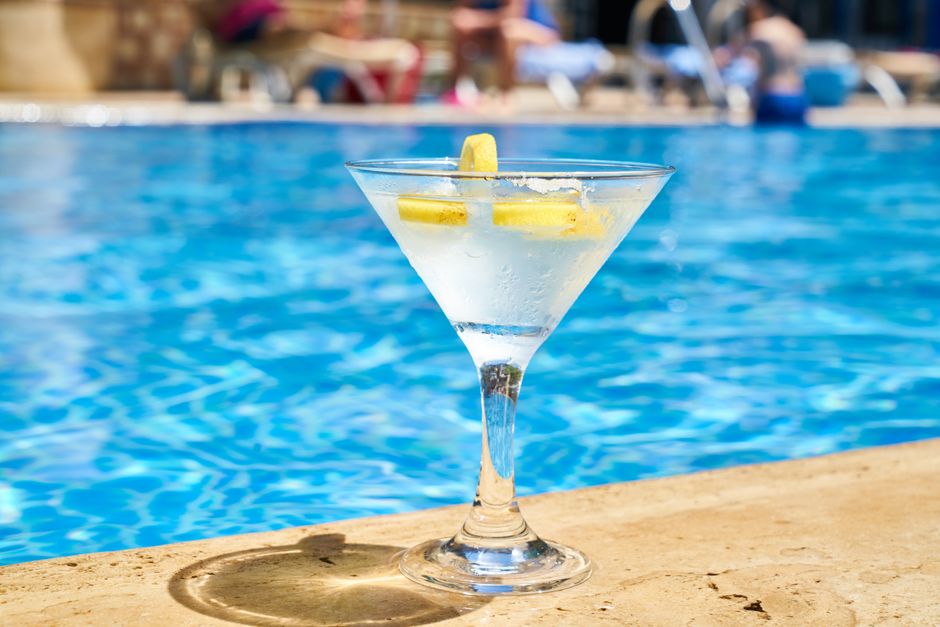 RecipeLemon Drop Martini RecipeA Lemon Drop is a sour dressed up as a Martini: vodka, fresh lemon, and orange liqueur, shaken hard and served in a sugar-rimmed glass.Read the recipe →
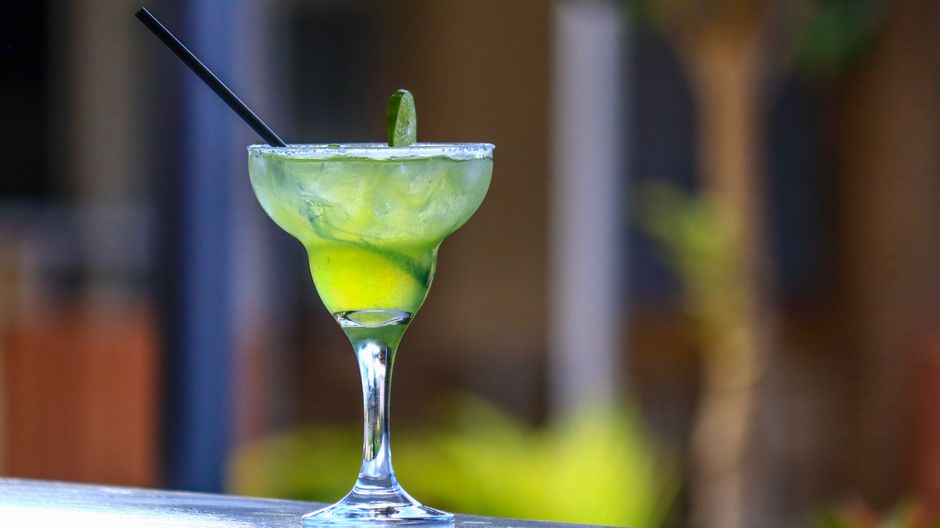 RecipeMargarita Recipe (Classic)Classic Margarita recipe with the simple 2:1:1 ratio of tequila, lime, and Cointreau. Shake, strain, salt the rim. Plus frozen and spicy variations.Read the recipe →