Recipe
IBA Margarita: 50 ml Tequila, 20 ml Triple Sec, 15 ml Lime Juice
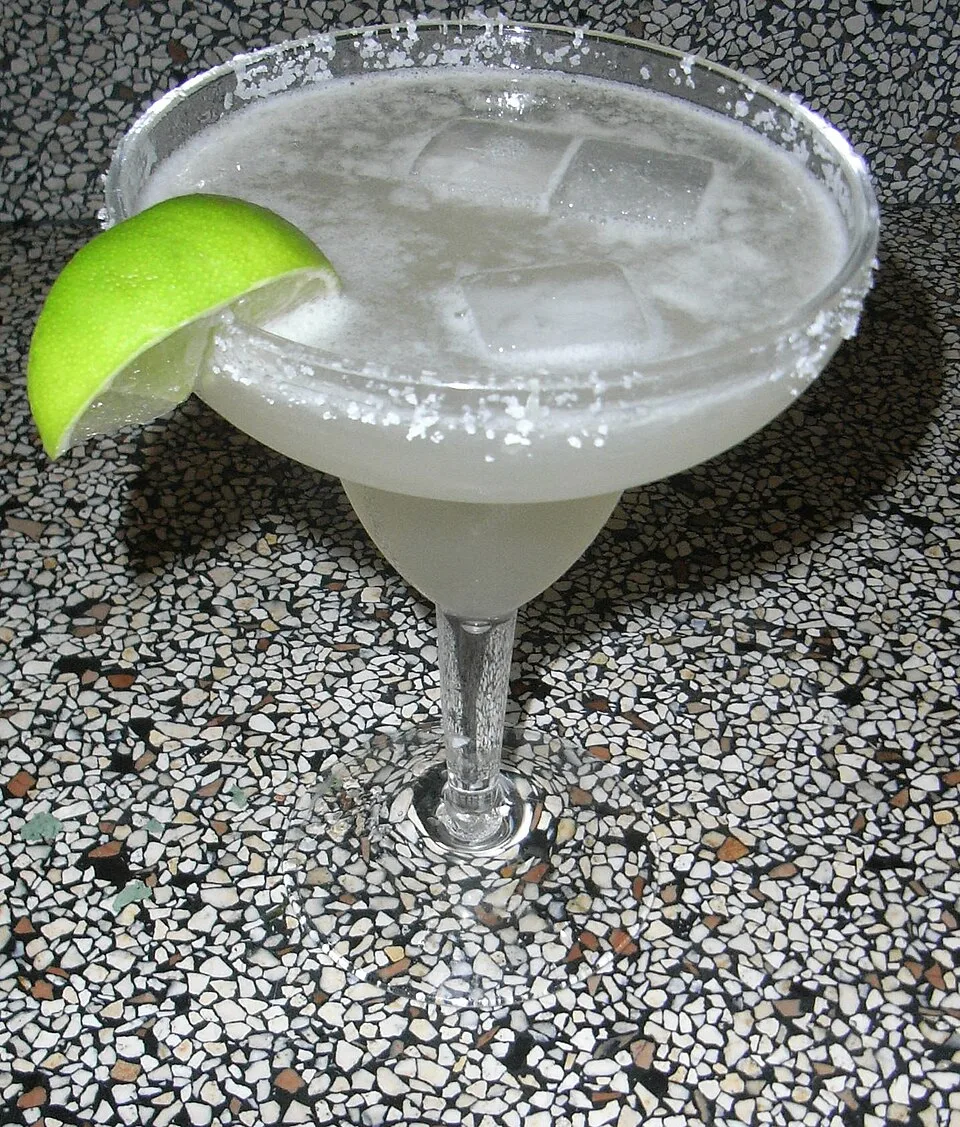
The IBA (International Bartenders Association) official Margarita is built on exactly the three measures in your search: 50 ml tequila, 20 ml triple sec and 15 ml freshly squeezed lime juice. All three go into a shaker with ice, are shaken hard, and are strained into a chilled cocktail glass whose rim has been rubbed with lime and dipped in salt — traditionally only half the rim, so the drinker can choose each sip. The Margarita sits in the IBA's classic "Unforgettables" group, and this particular set of numbers is what makes it recognisably that drink rather than one of the many house versions. Below we unpack what the ratio actually does to the taste, how to execute it cleanly, which bottle choices move the result most, and how to adjust the build without turning it into a different cocktail.
IBA Official Margarita
Ingredients
- 50 ml tequila
- 20 ml triple sec
- 15 ml freshly squeezed lime juice
- 1 slice lime, for the rim and garnish
- 1 tbsp coarse salt, for the rim
Instructions
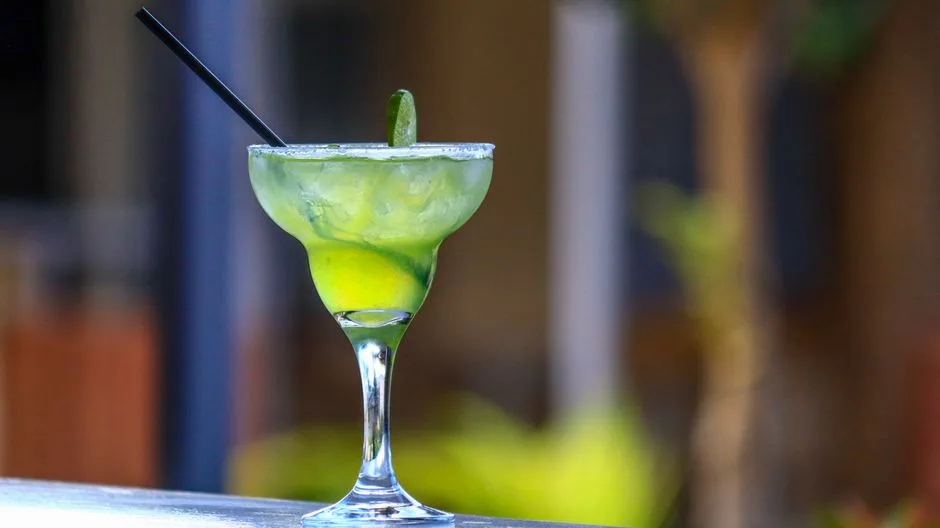
- Rub the cut side of a lime slice around the outside of half the rim of a cocktail glass, then roll that half in coarse salt. Chill the glass in the freezer or with ice and water.
- Squeeze the lime and measure out 15 ml of juice.
- Add the tequila, triple sec and lime juice to a shaker filled with plenty of ice.
- Shake hard for about 10-15 seconds, until the outside of the shaker is frosted.
- Discard the ice or water from the chilled glass and strain the drink into it.
- Garnish with a slice of lime on the rim and serve immediately.
The specification, in full
The IBA build is short and unambiguous. There is no simple syrup, no agave nectar, no orange juice and no egg white — the sweetness comes entirely from the orange liqueur, which is why the choice of triple sec matters more here than in almost any other three-ingredient cocktail.
Written out, the specification looks like this:
- 50 ml tequila
- 20 ml triple sec
- 15 ml freshly squeezed lime juice
- Method: shake all ingredients with ice and strain
- Glass: chilled cocktail glass
- Garnish: half salt rim and a slice of lime
What the 10:4:3 ratio actually does
Divide the three measures by five and you get a ratio of 10 parts tequila to 4 parts triple sec to 3 parts lime. That is worth holding on to, because it explains the drink's character better than the millilitres do. The sweet and sour components together add up to 35 ml against 50 ml of base spirit — the tequila is not just present, it is the majority of the glass before ice.
Compare that with the widely used 2:1:1 house build (60 ml tequila, 30 ml orange liqueur, 30 ml lime), and the difference is immediate. The IBA version is drier, sharper on the agave, and noticeably less citrus-forward. The 2:1:1 build is rounder and more obviously a sweet-and-sour drink; the IBA build reads as a spirit cocktail with citrus in support. Neither is wrong, but if you have been making Margaritas at 2:1:1 and switch to 50/20/15, expect the drink to feel leaner and more astringent at first.
There is a second consequence people often miss. Triple sec is not just a sweetener — it is a spirit in its own right, and orange liqueurs vary enormously in strength. Swapping a high-proof, drier orange liqueur for a low-proof, syrupy one changes both the sweetness and the alcohol content of the finished drink, without changing a single number in the recipe.
For the arithmetic: at 85 ml of combined liquid before ice, the pour is roughly 3 US fl oz. If both the tequila and the liqueur sit at 40% ABV, the undiluted mix works out at about a third alcohol by volume. Shaking then adds water — a properly shaken drink typically picks up something in the region of a fifth to a quarter of its volume in melt — which is why the finished glass drinks far more comfortably than those raw numbers suggest. That dilution is part of the recipe, not a flaw in it.
- 50 : 20 : 15 simplifies to 10 : 4 : 3
- Roughly 1¾ oz tequila, ⅔ oz triple sec, ½ oz lime for anyone working in US measures
- Drier and more agave-forward than the common 2:1:1 house build
- All sweetness comes from the liqueur — there is no syrup in the specification
How to mix it, step by step
Order of operations matters more than technique here, mostly because a salted rim is far easier to apply to a dry, empty glass than to a full one.
Start with the glass. Cut a wedge or slice of lime and run the cut side around the outside of the rim, covering about half the circumference. Roll that half in a saucer of salt, holding the glass at an angle so the salt sits on the outer wall rather than the inner one. Salt that falls inside the glass keeps dissolving into the drink, which turns a pleasant contrast into a steadily saltier cocktail. Put the glass in the freezer or fill it with ice and water while you build the drink.
Juice the lime to order. Lime juice loses its bright top notes within hours of squeezing, and the difference between fresh and yesterday's is easily the largest single quality variable in a three-ingredient drink. Measure the 15 ml rather than eyeballing it — limes vary in size enough that a squeezed half can overshoot or undershoot the spec badly.
Combine tequila, triple sec and lime juice in a shaker with plenty of good, cold ice. Shake hard until the outside of the tin frosts over — around ten to fifteen seconds is the usual working range. Then strain into the chilled, salted glass. A fine strainer catches lime pulp and small ice shards if you want a cleaner texture. Finish with a slice of lime on the rim.
The IBA build is served straight up in a cocktail glass, without ice in the glass. If you would rather have it on the rocks, use one large cube rather than several small ones, and accept that the drink will keep diluting as you go.
- Rim and chill the glass before you touch the shaker
- Salt the outside of the rim only, and only halfway round
- Shake with plenty of ice until the tin frosts — roughly 10–15 seconds
- Strain into the chilled glass; no ice in the glass for the classic service
Choosing the three bottles
Tequila. The specification says only "tequila", which leaves the decision to you. A blanco (unaged) tequila made from 100% agave keeps the drink crisp and peppery, and lets the citrus stay in the foreground — this is the most common editorial recommendation for a Margarita at this ratio, and in our assessment it suits the drier IBA build particularly well. A reposado, rested in oak, brings vanilla and a rounder mouthfeel; it softens the lime's edge and makes the drink feel a little sweeter without any change to the measures. Tequilas that are not labelled 100% agave contain other fermentable sugars and generally land sweeter and less clean.
Triple sec. This is an umbrella term for clear orange liqueurs, and the category spans everything from dry, high-strength bottlings to sweet, low-strength ones. In a build where the liqueur is the only source of sugar, that spread is not a detail. A drier, stronger orange liqueur produces a Margarita that is tart and spirituous; a sweeter, weaker one gives a softer, more approachable drink that may need slightly less lime to stay balanced. If your Margarita tastes flabby or cloying at these exact measures, the liqueur is the first thing to look at.
Lime. Fresh, always. Bottled lime juice is usually pasteurised and preserved, and it tends to read flat and faintly bitter next to the fresh article — a difference that a 15 ml pour cannot hide. Roll the lime firmly on the counter before cutting to loosen the segments, and juice it just before you shake.
- Blanco 100% agave for a crisp, citrus-forward result
- Reposado for oak, vanilla and a softer edge
- Check your orange liqueur's strength — it drives both sweetness and ABV
- Fresh lime only; measure it rather than squeezing straight into the tin
Adjusting the build without breaking it
The IBA numbers are a reference point, not a cage. The useful discipline is to change one variable at a time, in 5 ml steps, and taste before changing anything else.
If the drink is too sharp for you, the gentlest fix is 5 ml of agave syrup or simple syrup rather than more liqueur — extra triple sec adds sweetness but also more orange and more alcohol, which pushes the balance in two directions at once. If it is too sweet, drop the triple sec to 15 ml before you start adding lime; cutting sugar is usually more effective than adding acid. If it tastes thin and watery, the ice was probably wet or the shake ran long.
Scaling up is straightforward: multiply all three measures by the number of servings. If you are batching in advance and chilling the mix rather than shaking each drink to order, you need to add the water that shaking would have contributed — a common working figure is around a fifth to a quarter of the batch volume — and then keep the batch properly cold. Add the lime juice as late as you can.
Two well-known variations are worth naming so you know what you are and are not making. A Tommy's Margarita replaces the orange liqueur with agave syrup and specifies 100% agave tequila; it is a different, less orangey drink, not a variant spec of this one. A frozen Margarita is blended with ice, which introduces a lot of dilution and dulls perceived sweetness, so blended versions almost always need more sugar than the straight-up build.
- Change one measure at a time, in 5 ml steps
- Too sharp: 5 ml syrup beats more triple sec
- Too sweet: reduce triple sec to 15 ml before touching the lime
- Batching: add roughly 20–25% water to stand in for shake dilution
- Tommy's Margarita uses agave syrup instead of orange liqueur — a different drink
Glassware, salt and garnish
The IBA calls for a cocktail glass. In practice that means a coupe, a V-shaped Martini glass or the stepped "margarita" glass; the drink works in all three, and the stemmed shape matters mainly because it keeps your hand off the bowl. An 85 ml pour plus shake dilution comfortably fits a small coupe, and looks stranded in an oversized one — smaller glassware generally flatters this build.
For the salt, flaky or coarse salt gives distinct crystals you can taste against the lime, while fine table salt dissolves quickly and reads as a uniform saltiness. The half rim is not decoration for its own sake: it lets the same drink be sipped with or without salt, which is genuinely useful when you do not know a guest's preference.
The lime garnish is a slice or wedge on the rim. If you want a little more aroma, express a strip of lime peel over the surface of the drink before adding the garnish — a small addition, but it lifts the first nose noticeably.
- Small stemmed glass; the pour is modest and suits a coupe
- Coarse or flaky salt for texture, fine salt for uniform saltiness
- Half rim so the drinker can choose salted or unsalted sips
- Chill the glass properly — a warm glass undoes a good shake
Troubleshooting a Margarita at these measures
Most problems with the 50/20/15 build come from three places: the ice, the lime and the liqueur. Working through them in that order solves the majority of cases.
- Watery and weak — old, wet or too little ice; use plenty of hard, cold cubes and shorten the shake
- Aggressively sour — an oversized lime pour, or an orange liqueur at the drier, higher-proof end
- Cloying — a sweet, low-proof triple sec; try 15 ml of it instead of 20 ml
- Salty all the way down — salt has fallen inside the glass; rim the outside only
- Harsh and rough on the finish — often a tequila that is not 100% agave
- Dull, muted citrus — lime juiced too far in advance
Frequently Asked Questions
Is the IBA Margarita shaken or stirred?
Shaken. The specification calls for shaking all three ingredients with ice and straining into a chilled glass. Because the drink contains citrus juice, shaking is the right call — it chills, dilutes and aerates in one motion, and gives the lime a lighter texture that stirring cannot produce.
Can I use Cointreau instead of triple sec?
Yes. Cointreau is itself a triple sec, so using it is not a substitution so much as a specific choice within the category. It sits at the drier, higher-strength end of the range, which keeps the drink crisp at these measures. A sweeter, lower-proof orange liqueur will give a rounder, softer Margarita from the same 50/20/15 build.
What is 50 ml, 20 ml and 15 ml in ounces?
One US fluid ounce is about 29.6 ml, so 50 ml is just under 1¾ oz, 20 ml is roughly ⅔ oz and 15 ml is about ½ oz. The total pour before ice is close to 3 oz. If your jigger only marks quarter-ounces, 1¾ oz / ¾ oz / ½ oz gets you very close to the specification.
Do I have to salt the rim?
No — it is a garnish, not a structural part of the drink. The traditional service salts only half the rim precisely so that each sip can be taken with or without it. If you skip the salt entirely, expect the lime to read a little sharper, since salt suppresses perceived sourness and lifts sweetness.
How is this different from a 2:1:1 Margarita?
A 2:1:1 build (typically 60 ml tequila, 30 ml orange liqueur, 30 ml lime) has proportionally twice as much lime and noticeably more liqueur relative to the base spirit. It is sweeter, more sour and less agave-forward. The IBA's 10:4:3 ratio is the drier, more spirit-led version of the same drink.
Can I make a batch in advance?
Yes. Multiply all three measures by the number of servings, and if you are chilling the batch rather than shaking each drink individually, add roughly a fifth to a quarter of the batch volume in water to replace the dilution that shaking would have supplied. Keep it thoroughly cold, and add the lime juice as close to serving as you can, since fresh lime fades within hours.
%international bartenders association margarita 50 ml tequila 20 ml triple sec 15 ml lime juice?
The IBA official Margarita is 50 ml tequila, 20 ml triple sec and 15 ml freshly squeezed lime juice — shaken with ice and strained into a chilled cocktail glass with a half salt rim and a lime slice.
Related guides