Recipe
What's in a Daiquiri? The Three Ingredients Explained
Ad links. We may earn a commission on purchases, at no extra cost to you.
A daiquiri contains three things: white rum, fresh lime juice and sugar. Nothing else is required — no cola, no cream, no fruit liqueur, no blender. The classic build is roughly two parts rum to one part lime juice to a slightly smaller part of simple syrup, shaken hard with plenty of ice and strained into a chilled coupe. Everything that makes the drink good or bad happens inside that short list: which rum you pour, whether the lime was squeezed minutes ago or weeks ago, and how much sugar you use to hold the other two together. The frozen strawberry version sold poolside is a descendant of this drink, not the drink itself. Below we go through each ingredient, the proportions worth starting from, and the handful of decisions that separate a sharp, clean daiquiri from a sour, thin one.
Classic Daiquiri
Ingredients
- 60 ml white rum
- 30 ml fresh lime juice
- 20 ml simple syrup (equal parts sugar and water)
- 1 lime wheel, for garnish
Instructions
- Put a coupe or cocktail glass in the freezer, or fill it with ice and water, while you prepare the drink.
- Squeeze the limes and strain the juice through a small sieve to remove pulp and seeds.
- Combine the rum, lime juice and simple syrup in a cocktail shaker.
- Fill the shaker with plenty of cold, solid ice and seal it.
- Shake hard for about 12 seconds, until the outside of the shaker is frosted.
- Empty the chilled glass and double strain the drink into it through a fine mesh sieve.
- Garnish with a lime wheel and serve immediately.
The short answer: rum, lime, sugar
The daiquiri belongs to the family of sour cocktails: a base spirit, a citrus juice and a sweetener, balanced against each other and chilled by shaking. Swap the rum for gin and you are close to a gimlet; swap it for whiskey and lemon and you have a whiskey sour. What makes the drink a daiquiri specifically is the combination of rum and lime.
The story usually told is that the drink takes its name from a beach and an iron-mining area near Santiago de Cuba, and that it spread from Cuba into American and European bars in the early twentieth century. The details of that origin are debated, but the composition has stayed remarkably stable: the same three ingredients turn up in bar manuals across more than a century, with the sweetener sometimes given as sugar and sometimes as syrup.
That stability is the point. A daiquiri has nowhere to hide. There is no vermouth to smooth over a rough spirit and no bitters to add complexity, so each of the three components is doing visible work.
- White rum — the body and the flavour
- Fresh lime juice — the acid that keeps it from being cloying
- Sugar, usually as simple syrup — the counterweight to the acid
- Ice — not an ingredient on the list, but it becomes part of the finished drink
Which rum to use
The default is an unaged or lightly aged white rum, sometimes labelled blanco, silver or carta blanca. Cuban-style and Spanish-Caribbean white rums tend to be clean and lightly grassy, which is why the drink is usually associated with them, but a good white rum from Puerto Rico, Barbados, Panama or elsewhere makes a perfectly recognisable daiquiri. Standard bottling strength for most of these is around 40% ABV, and the classic proportions assume roughly that.
Two things separate rums that work well here from those that do not. The first is added sugar: some rums are sweetened after distillation, and if yours is, you will need to cut back on the syrup or the drink will collapse into sweetness. The second is character. A heavy, funky Jamaican pot-still rum makes a daiquiri, but a loud one — some people love it, and it is worth trying once you know what the plain version tastes like.
Aged rum is not wrong either. An aged daiquiri trades the bright, almost citric snap of the white version for something rounder and slightly woody. In our editorial view it is a different drink wearing the same name, and worth keeping in mind rather than treating as a mistake. Spiced rum is the one category we would steer away from: the vanilla and baking spice tend to fight the lime rather than sit under it.
- Start with an unaged white rum around 40% ABV
- Check whether the bottle is sweetened — adjust syrup down if it is
- Aged rum works, but gives a rounder, less bright drink
- Spiced rum tends to clash with the lime
The lime has to be fresh
This is the single decision that most affects the result. Lime juice starts changing flavour within hours of being squeezed: the top notes fade first, and what remains turns flatter and slightly bitter. Bottled lime juice, especially the shelf-stable kind, has usually been heat-treated or preserved and tastes noticeably duller and more one-dimensional than juice from a fruit. In a drink with only three ingredients, that difference is not subtle.
Squeeze the limes shortly before you mix, and strain the juice through a small sieve to keep pulp and seeds out of the glass. Limes vary a lot in how much juice they hold and in how sharp that juice is, depending on variety, season and ripeness, so treat any recipe measurement as a starting point rather than a fixed rule. A lime that has been sitting on the counter at room temperature for a day generally gives up more juice than one straight from the fridge, and rolling it firmly under your palm before cutting helps too.
Lemon is not a substitute here. It makes a decent rum sour, but the aromatic profile of lime is a defining part of what people recognise as a daiquiri.
Sugar: use syrup, not granulated
Older recipes often call for a spoonful of sugar directly in the shaker. It works, but granulated sugar dissolves reluctantly in cold liquid, and you can end up with grit at the bottom and a drink that is less sweet than intended. Simple syrup solves this. Stir equal parts white sugar and water — by weight or by volume — until the sugar has dissolved; gentle warming speeds it up but is not necessary. Kept in a clean bottle in the fridge, it lasts long enough to be worth making in advance.
A richer syrup made with two parts sugar to one part water is also common. It adds more sweetness and a slightly fuller texture per millilitre, so if you use it, reduce the amount by roughly a third compared with a 1:1 syrup. Demerara syrup brings a light molasses note that suits aged rum well and can overwhelm a delicate white one.
Sugar in this drink is not there to make it sweet in any obvious way. It is there to hold the acid in check and give the drink some weight. A daiquiri that tastes distinctly sugary usually has too much syrup; one that tastes thin and aggressive usually has too little.
Ratio, shaking and dilution
A reliable starting point is 60 ml rum, 30 ml lime juice and 20 ml 1:1 simple syrup. Bar recipes range from equal parts lime and syrup — sweeter and rounder — to noticeably drier builds with less sugar. Because lime acidity varies, taste and adjust: a few extra millilitres of syrup rescue an unusually sharp batch of limes, and a little more lime lifts a drink that reads flabby.
Shaking does two jobs at once. It chills the mixture toward the temperature at which the drink is meant to be served, and it adds water from melting ice — a meaningful share of what ends up in the glass. That dilution is not a flaw. A daiquiri mixed with all three ingredients and no water is harsh and overconcentrated; the melted ice is what makes it drinkable.
Use plenty of ice, and use cold, solid ice rather than small wet cubes that have been sitting out. Shake hard for roughly ten to fifteen seconds, until the outside of the shaker is frosted and uncomfortable to hold. Then double strain — through the shaker's strainer and a fine mesh sieve — into a glass you have chilled beforehand. The fine straining catches ice shards and lime pulp, and the cold glass keeps the drink from warming while you drink it.
- Starting ratio: 60 ml rum / 30 ml lime / 20 ml 1:1 syrup
- Shake hard, about 10–15 seconds, with plenty of cold ice
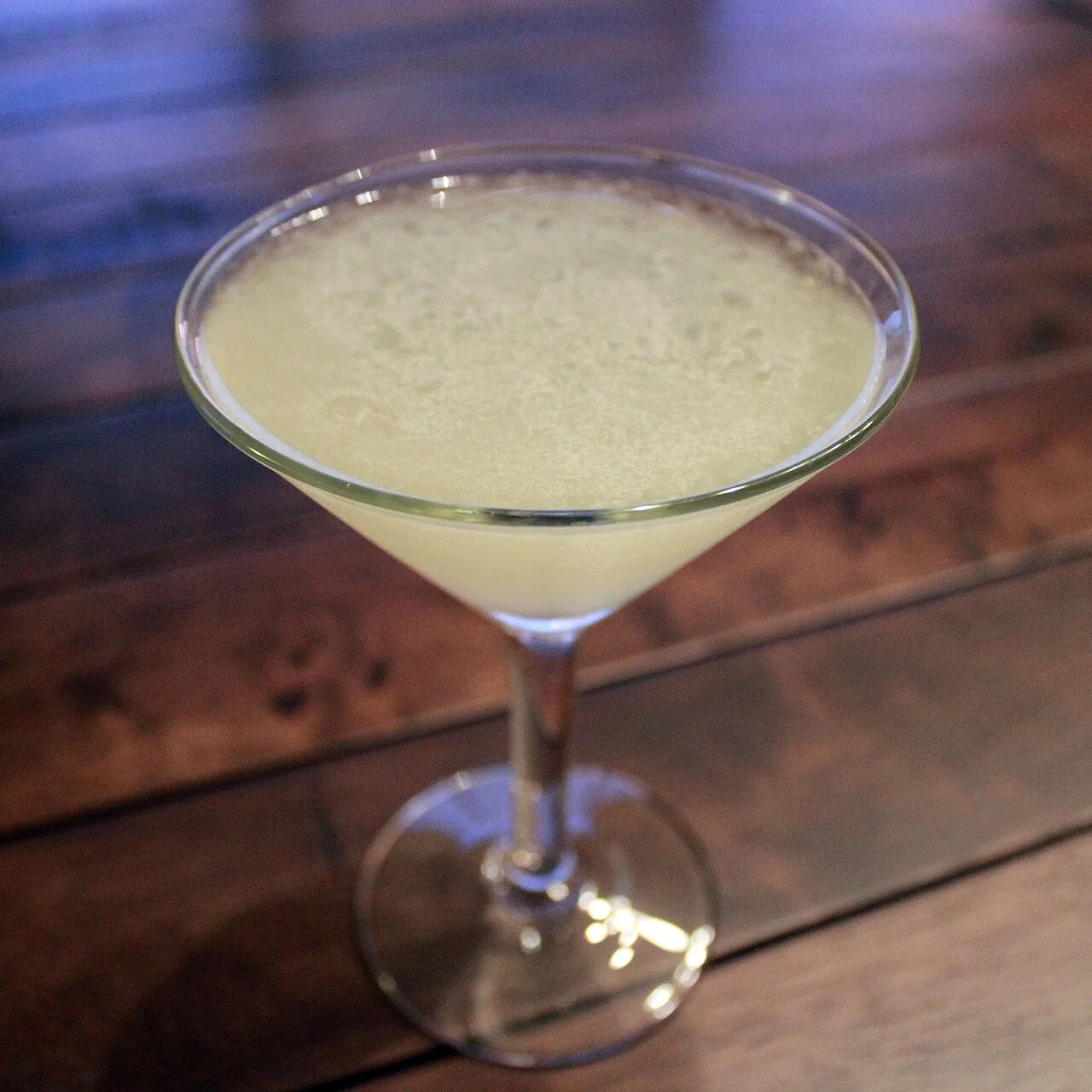
- Double strain into a pre-chilled coupe
- Serve immediately — it warms and flattens quickly
The variations worth knowing
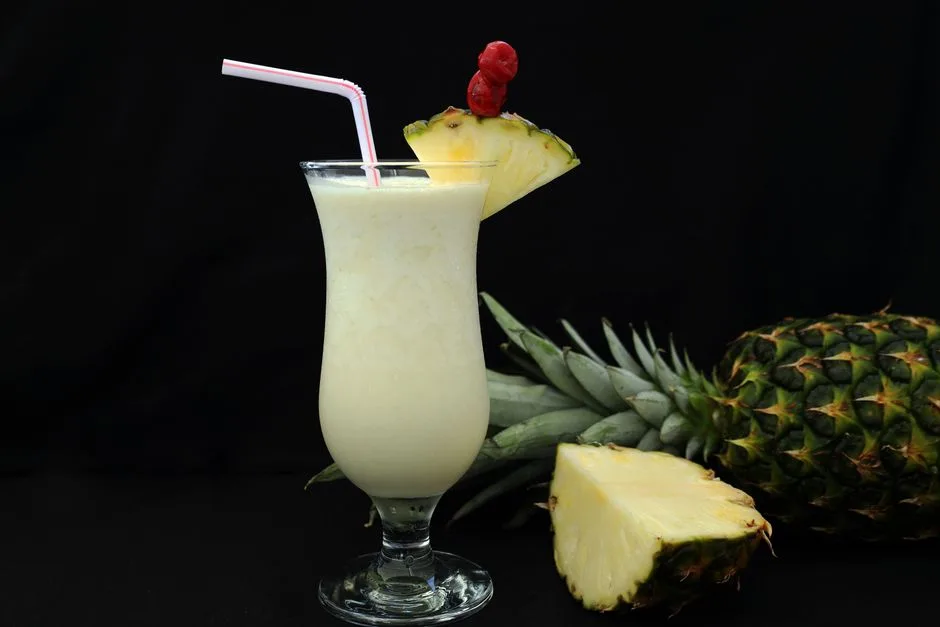
The frozen daiquiri replaces shaking with a blender and crushed ice, giving a slushy texture and a colder, sweeter-tasting drink. It needs a little more sugar than the shaken version, because cold suppresses the perception of sweetness. Strawberry, banana and other fruit versions descend from this branch, and while they share the name, they behave quite differently from the three-ingredient original.
The Hemingway daiquiri, sometimes called a Papa Doble, adds grapefruit juice and maraschino liqueur and cuts the sugar right back, producing a drier and more bitter drink. Other well-known variants swap in a small measure of a second rum for depth, or add a couple of dashes of bitters.
None of these are improvements on the plain daiquiri so much as different destinations. If you are trying to answer the question of what is actually in a daiquiri, the shaken three-ingredient version is the reference point, and it is also the fastest way to find out whether you like a given rum.
- Frozen daiquiri — blended with crushed ice, needs slightly more sugar
- Strawberry and other fruit versions — built on the frozen style
- Hemingway / Papa Doble — grapefruit and maraschino, much drier
- Aged-rum daiquiri — rounder and woodier than the classic
Frequently Asked Questions
Is a daiquiri sweet?
Not particularly. A well-balanced daiquiri tastes bright and citrus-forward, with the sugar sitting underneath rather than standing out. If yours tastes noticeably sugary, reduce the syrup by a few millilitres — or check whether your rum is sweetened, since some are. The frozen and fruit versions are considerably sweeter than the shaken original.
Can I use dark or aged rum instead of white?
Yes. An aged rum makes a rounder, slightly woody drink rather than the bright, clean one you get from an unaged white rum. It is a legitimate variation and pairs well with a demerara syrup. Spiced rum is the one we would avoid, as the added vanilla and baking spice tend to fight with the lime.
Do I need a cocktail shaker?
A shaker makes it easier, but a sealable jar with plenty of ice does the same two jobs: chilling the mixture and adding the water from melted ice that the drink needs. Whatever you use, strain the drink through a sieve into a chilled glass afterwards so no ice shards or pulp end up in it.
Is a strawberry daiquiri the same drink?
It shares the name and the rum-lime-sugar backbone, but it is built differently — blended with crushed ice and fruit rather than shaken and strained. It is sweeter, colder and thicker. If you want to know what a daiquiri actually is, make the three-ingredient shaken version first.
Can I make a daiquiri in advance for several people?
You can scale up the rum, lime and syrup and keep the mixture cold, but shake each serving with ice just before pouring, or pre-dilute the batch with water and keep it in the freezer. Lime juice loses its freshness within hours, so squeeze it as close to serving as you can.
Related guides