Recipe
Piña Colada Ingredients: What You Actually Need
Ad links. We may earn a commission on purchases, at no extra cost to you.
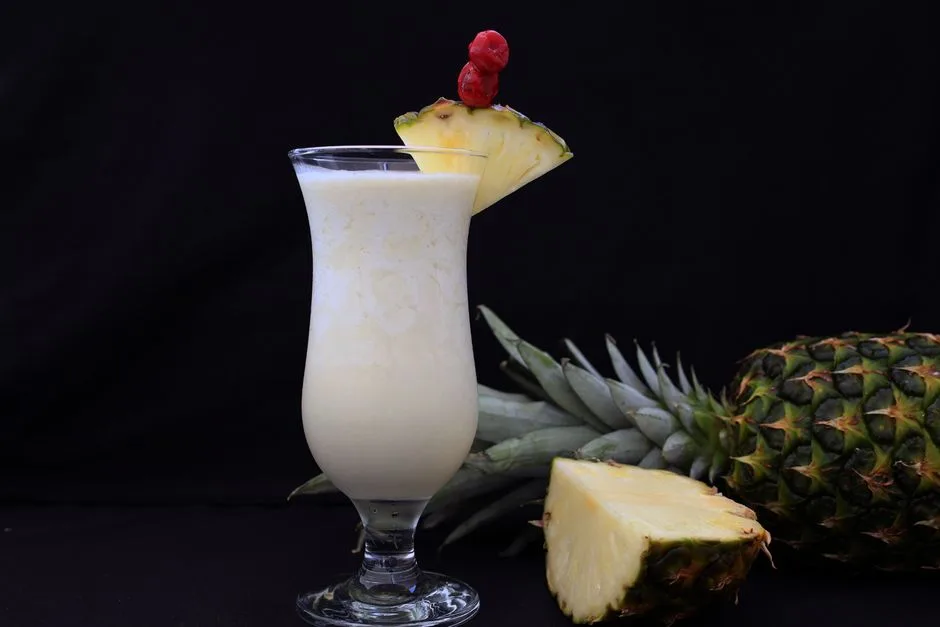
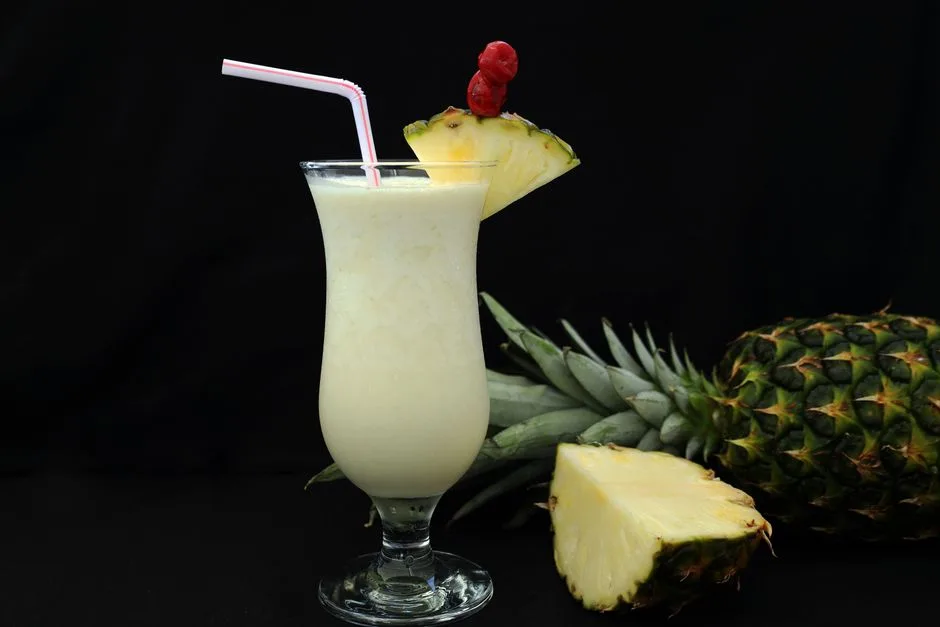
A piña colada is built from three ingredients: white rum, cream of coconut and pineapple juice, blended or shaken with plenty of ice. That is the whole drink. A short measure of fresh lime juice is a common fourth addition, and a pineapple wedge or a cherry is garnish rather than an ingredient. The single detail that decides whether the result tastes like the drink people remember is the coconut component — it has to be sweetened cream of coconut, not coconut milk and not unsweetened coconut cream. Get that one right and the rest is a matter of ratio and ice.
Classic Blended Piña Colada
Ingredients
- 60 ml white rum
- 45 ml cream of coconut
- 90 ml unsweetened pineapple juice
- 10 ml fresh lime juice
- 180 g ice cubes
- 1 pineapple wedge, for garnish
Instructions
- Shake or stir the cream of coconut in its container until it is completely smooth and no solid cap remains.
- Add the rum, cream of coconut, pineapple juice, lime juice and ice to a blender.
- Blend on high until the mixture is smooth and slushy with no ice shards left, roughly 20 to 30 seconds.
- Pour into a chilled tall glass or a hurricane glass without straining.
- Garnish with the pineapple wedge and serve immediately with a straw.
The three ingredients that define the drink
Every recognisable version of the piña colada rests on the same trio. White rum supplies the alcohol and a clean cane-sugar backbone. Cream of coconut supplies both the coconut flavour and nearly all of the sweetness, which is why the drink normally needs no added sugar or syrup. Pineapple juice supplies the acidity and fruit character that keeps the coconut from turning cloying.
Because cream of coconut is doing double duty as flavour and sweetener, the balance of the drink is unusually sensitive to how much of it goes in. A heavy hand gives you a dessert; a light hand gives you a thin, sharp pineapple drink. Most classic builds land somewhere near two parts rum, one and a half parts cream of coconut and three parts pineapple juice, then adjust from there to taste.
- White rum — the base spirit, unaged or lightly aged
- Cream of coconut — sweetened, thick, the flavour anchor
- Pineapple juice — acidity and fruit
- Ice — not an afterthought; it sets the texture
- Fresh lime juice — optional, but useful for lifting a sweet build
Cream of coconut is not coconut milk
This is where most home versions go wrong, and it is worth being precise about the three products that sit near each other in the shop. Cream of coconut is a thick, heavily sweetened coconut product sold specifically for drinks and desserts. Coconut milk is a thin, unsweetened cooking liquid. Coconut cream is the thicker, unsweetened fraction used in curries and stews. Only the first one is a piña colada ingredient in the ordinary sense.
If you substitute coconut milk or unsweetened coconut cream, you have removed the drink's entire sweetener and much of its body, and you will need to add a sugar syrup and accept a looser texture. That is a legitimate variation, but it is a different drink and should be treated as one rather than as a like-for-like swap.
Cream of coconut separates in the can or bottle: a solid white cap over a thinner liquid. Shake it hard or stir it smooth before measuring, otherwise the first drink is fat and the last one is watery.
- Cream of coconut — sweetened, syrupy, sold for cocktails and baking
- Coconut cream — unsweetened, thick, a cooking product
- Coconut milk — unsweetened, thin, a cooking product
- Always stir or shake the cream of coconut back together before pouring
Choosing the rum
White rum is the default because it stays out of the way. The drink is already carrying two loud flavours, and a neutral, lightly grassy white rum lets the coconut and pineapple stay in front. Any standard white rum from a supermarket shelf will do the job here; this is not a drink that rewards a rare bottle, since the coconut will flatten most of the nuance you paid for.
Aged rum is the most common upgrade. A lightly aged or gold rum brings vanilla and oak that suit the coconut well, and some builds split the base — most of it white, a small float of dark or overproof rum poured over the top. That float is cosmetic and aromatic rather than structural, and it is easy to overdo.
- White rum — the standard choice, clean and neutral
- Lightly aged or gold rum — adds vanilla and oak, still works
- Dark or overproof rum — best as a small float on top, not as the whole base
- Spiced rum — possible, but its vanilla and cinnamon compete with the coconut
Pineapple: juice or fresh fruit
Canned or carton pineapple juice is the ordinary choice and it is a perfectly good one. It is consistent, it is already strained, and its acidity is stable from batch to batch. Look for juice without added sugar, since the cream of coconut is already sweetening the glass.
Fresh pineapple gives you two options. You can juice it, which produces a brighter and slightly more astringent drink, or you can blend chunks of frozen pineapple directly into the drink. The frozen-fruit route changes the texture noticeably: it thickens the drink and lets you use less ice, which means less dilution. Fresh fruit varies far more in sweetness and acidity than juice does, so taste and adjust rather than following a ratio blindly.
- Unsweetened pineapple juice — the reliable default
- Freshly juiced pineapple — brighter, more variable
- Frozen pineapple chunks — thicken the drink and cut dilution
Ice, dilution and texture
The piña colada is normally served blended, and in a blended drink ice is an ingredient, not just a chilling method. It is what turns a sweet liquid into something with the slushy body the drink is known for. Too little and you get a lukewarm, syrupy pour; too much and the whole thing goes pale and watery.
The shaken version is a real alternative and is closer to how the drink is served in many bars. Shake the same measures hard with cubed ice and strain over fresh ice in a tall glass. The result is thinner, colder and more spirit-forward, and it stays drinkable longer because it does not melt into itself the way a blended one does.
- Blended — slushy and thick, drink it promptly before it separates
- Shaken and strained over ice — lighter, sharper, more stable in the glass
- Frozen pineapple lets you reduce the ice without losing body
Optional additions and common variations
Once the core three are in place, the usual additions are there to correct balance rather than to add complexity. Lime juice is the most useful of them: cream of coconut is sweet enough that a short measure of fresh lime pulls the whole drink back into focus. Everything below that is a matter of preference.
- Fresh lime juice — cuts sweetness, the most common fourth ingredient
- A dash of aromatic bitters — adds spice against the coconut
- A float of dark rum — poured over the finished drink
- Fresh nutmeg grated over the top — a traditional garnish
- Virgin version — leave out the rum entirely; the drink still works, just sweeter
- Garnish only: pineapple wedge, cocktail cherry, mint sprig
Shopping list and sensible substitutions
For a small batch you need very little. One bottle of white rum, one can or bottle of cream of coconut, one carton of unsweetened pineapple juice, a couple of limes and a bag of ice will cover several rounds. The cream of coconut is the item worth checking the label on; the rest is straightforward.
- No cream of coconut? Coconut cream plus a sugar syrup gets you close, but not identical
- No fresh lime? A small pour of lemon juice does a similar job, slightly rounder
- No blender? Shake hard with ice and strain over fresh ice
- No pineapple juice? Blended fresh pineapple works, but expect more variation
- Skip the pre-mixed piña colada bottles if you want control over sweetness
Frequently Asked Questions
What are the ingredients in a piña colada?
White rum, cream of coconut and pineapple juice, blended or shaken with ice. Fresh lime juice is a common optional addition, and a pineapple wedge or cherry is garnish rather than an ingredient.
Can I use coconut milk instead of cream of coconut?
Not as a direct swap. Coconut milk is unsweetened and thin, so you lose both the sweetness and the body. If it is all you have, add a sugar syrup to compensate and expect a looser, less rich drink.
Which rum works best in a piña colada?
A standard white rum is the usual choice because it stays neutral behind the coconut and pineapple. Lightly aged or gold rum adds vanilla and oak and works well. Dark or overproof rum is better as a small float on top than as the entire base.
Do I need a blender?
No. Shake the same measures hard with cubed ice and strain into a tall glass over fresh ice. The result is thinner and colder than the blended version and holds together longer in the glass.
How do I make a non-alcoholic version?
Leave out the rum and keep the cream of coconut and pineapple juice. The drink becomes noticeably sweeter without the spirit, so a slightly larger measure of fresh lime juice helps keep it balanced.
Related guides